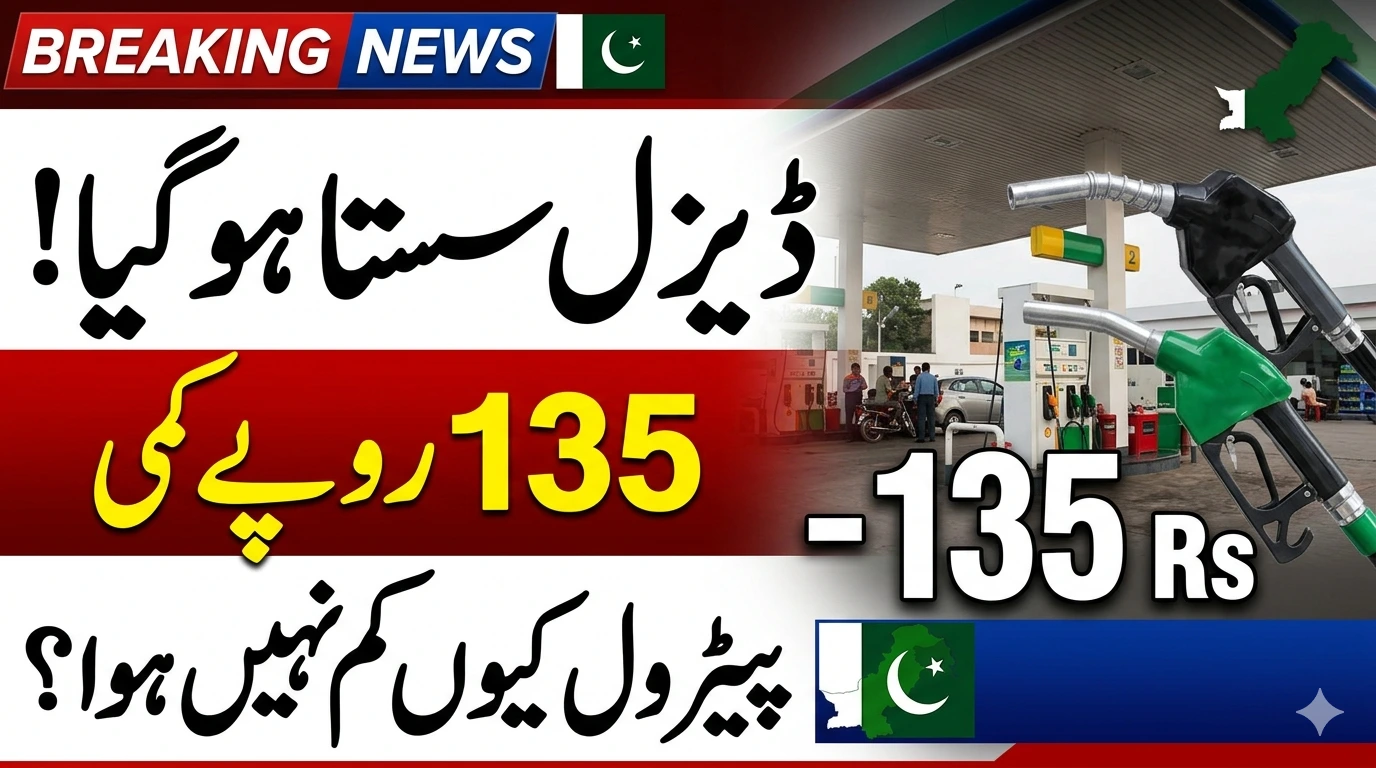
The petrol price in Pakistan may increase significantly before 15 March, according to recent discussions between government officials and international financial institutions. Reports indicate that the ex-refinery petrol price could rise by up to Rs32 per liter, which may directly affect fuel prices for consumers across the country.
Experts believe the possible petrol price increase in Pakistan is mainly connected with global oil price trends, currency exchange fluctuations, and ongoing economic reforms. The government may follow international pricing guidelines to maintain financial stability and meet economic targets.
Petrol Price Increase – Key Details
| Key Factor | Details |
|---|---|
| Possible Increase | Up to 55 per liter |
| Expected Date | Before 15 March |
| Main Reason | Global oil price adjustments |
| Policy Pressure | International financial reforms |
| Impact | Higher fuel cost for consumers |
Petrol Price in Pakistan Linked with Global Oil Market
The petrol price in Pakistan is closely connected with international crude oil prices, which continue to fluctuate in the global market. When global oil prices increase, the ex-refinery petrol price in Pakistan also rises, ultimately affecting the retail fuel price.
Several important factors are currently influencing the possible petrol price increase in Pakistan:
-
Global crude oil prices have increased in recent weeks.
-
Currency exchange rates affect the cost of imported petroleum.
-
Import expenses for petroleum products are rising.
-
Government policies are aligned with international financial commitments.
-
Economic reforms require adjustments in energy pricing.
Because of these factors, analysts believe the petrol price in Pakistan may increase before 15 March if global market trends continue.
IMF Recommendations on Petrol Price Policy
International financial institutions, including the International Monetary Fund (IMF), have recommended that Pakistan align its fuel pricing system with global market rates.
According to policy discussions, the government is encouraged to avoid providing subsidies on petroleum products.
Key IMF Recommendations
-
Petrol and diesel prices should reflect international market conditions.
-
The government should avoid fuel subsidies.
-
Revenue targets should remain stable despite price adjustments.
-
Petroleum levy collection should continue according to fiscal targets.
More details about fiscal policy and energy pricing can be reviewed on the official Ministry of Finance website:
https://www.finance.gov.pk
These recommendations are part of broader economic reforms affecting the petrol price system in Pakistan.
Petroleum Levy Targets and Petrol Price Impact
Another factor influencing the petrol price in Pakistan is the government’s Petroleum Development Levy (PDL) revenue target for the fiscal year.
Authorities are relying on petroleum levy collections to support national revenue goals.
Petroleum Levy Revenue Situation
| Economic Indicator | Current Situation |
|---|---|
| Petroleum Levy Target | Rs1468 billion |
| Collected in First 6 Months | Rs822 billion |
| Revenue Period | July–December strong collection |
| Policy Objective | Maintain fiscal balance |
| Impact on Petrol Price | Higher fuel prices possible |
Officials say maintaining this revenue target is essential for economic stability and fiscal balance. Any subsidy on petrol could reduce the government’s ability to meet these financial goals.
Government Measures to Reduce Fuel Consumption
The government is also discussing policy measures to manage economic pressure if the petrol price in Pakistan increases significantly.
These steps may help reduce fuel consumption across the country.
Possible policy actions include:
-
Schools and colleges shifting to online classes.
-
Universities adopting smart or hybrid working systems.
-
Government offices implementing remote work policies.
-
Adjusting market and shop operating hours.
-
Encouraging delivery services for grocery stores and restaurants.
Such measures aim to reduce fuel usage and manage economic pressure caused by higher petrol prices.
Petrol Supply Situation in Pakistan
Despite concerns about rising fuel costs, officials have confirmed that Pakistan currently has sufficient petroleum reserves.
Current Fuel Supply Status
-
National petroleum reserves remain stable.
-
Oil marketing companies continue regular supply and distribution.
-
Supply chains are operating without disruption.
-
No immediate fuel shortage is expected.
Authorities are closely monitoring the situation to ensure consistent fuel availability across the country.
Petrol Price in Pakistan and Economic Stability
The discussion about the petrol price in Pakistan is part of broader negotiations related to economic reforms and fiscal stability.
Government officials are trying to balance public affordability with financial responsibilities. Adjusting petrol prices according to global markets may help Pakistan maintain economic commitments and stabilize national finances.
Experts believe such adjustments could play a role in long-term economic stability and sustainable energy pricing policies.
Pros and Cons of Petrol Price Increase in Pakistan
A possible increase in the petrol price in Pakistan may have both positive and negative effects on the economy and the public. While higher fuel prices can support government revenue and economic reforms, they may also create financial pressure for citizens.
Advantages of Petrol Price Increase
| Benefit | Explanation |
|---|---|
| Higher Government Revenue | Increased petrol prices help the government collect more through petroleum levy and taxes. |
| Fiscal Stability | Adjusting fuel prices according to global markets supports economic stability. |
| Reduced Fuel Consumption | Higher prices may encourage people to use fuel more efficiently. |
| Compliance with International Agreements | Following international pricing guidelines helps maintain financial support from global institutions. |
| Encourages Alternative Energy | Higher fuel costs may motivate investment in electric vehicles and renewable energy. |
Disadvantages of Petrol Price Increase
| Drawback | Explanation |
|---|---|
| Higher Transportation Costs | Petrol price increases raise transportation expenses for the public. |
| Inflation Pressure | Increased fuel prices can lead to higher prices of goods and services. |
| Financial Burden on Citizens | Low- and middle-income households may face additional financial pressure. |
| Increased Business Costs | Companies may experience higher logistics and production costs. |
| Impact on Daily Commuters | People who rely on private vehicles may struggle with increased fuel expenses. |
Overall, while the petrol price increase in Pakistan may support economic reforms and government revenue goals, it can also create financial challenges for consumers and businesses. Policymakers must balance economic stability with public affordability when making fuel pricing decisions.
Conclusion
The petrol price in Pakistan may increase by up to Rs32 per liter before 15 March, mainly due to global oil price changes and economic policy reforms. International financial recommendations and government revenue targets are also influencing fuel pricing decisions.
Although fuel supply remains stable, consumers may soon face higher fuel costs if the proposed price adjustment is implemented. The government continues to review policy options to balance economic stability with public impact.
Frequently Asked Questions (FAQs)
What is the expected petrol price increase in Pakistan?
Reports suggest the petrol price in Pakistan may increase by up to Rs32 per liter before 15 March.
Why is petrol becoming more expensive in Pakistan?
The price increase is mainly linked to global oil price trends, currency exchange fluctuations, and economic policy adjustments.
Is there a petrol shortage expected in Pakistan?
No, officials say petroleum reserves are currently sufficient, and supply remains stable.
How do international policies affect petrol price in Pakistan?
International financial institutions encourage Pakistan to align fuel prices with global market rates and reduce subsidies.